PCOD signs most women ignore are often very small in the beginning. Many women think these symptoms are normal or temporary. But these signs may be your body’s way of telling you that your hormones are not balanced.
PCOD (Polycystic Ovarian Disease) is becoming very common among women today. Lifestyle stress, irregular sleep, poor diet, and hormonal imbalance are some of the main reasons.
The problem is that many women ignore the early symptoms until the condition becomes more serious.
Understanding the PCOD signs most women ignore can help women take better care of their health early. Early awareness helps prevent long-term complications.
Let us understand some common symptoms many women miss. 👇
What Is PCOD? 🤔
PCOD is a hormonal condition that affects the ovaries. In this condition, the ovaries may produce more male hormones than normal.
This hormone imbalance can affect:
• Menstrual cycle
• Skin health
• Weight
• Hair growth
• Fertility
Many women may live with PCOD for years without realizing it because the symptoms appear slowly.
This is why knowing the PCOD signs most women ignore is very important.
PCOD Signs Most Women Ignore
Here are some early signs that many women do not connect with PCOD.
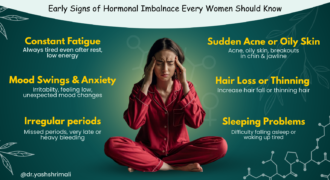
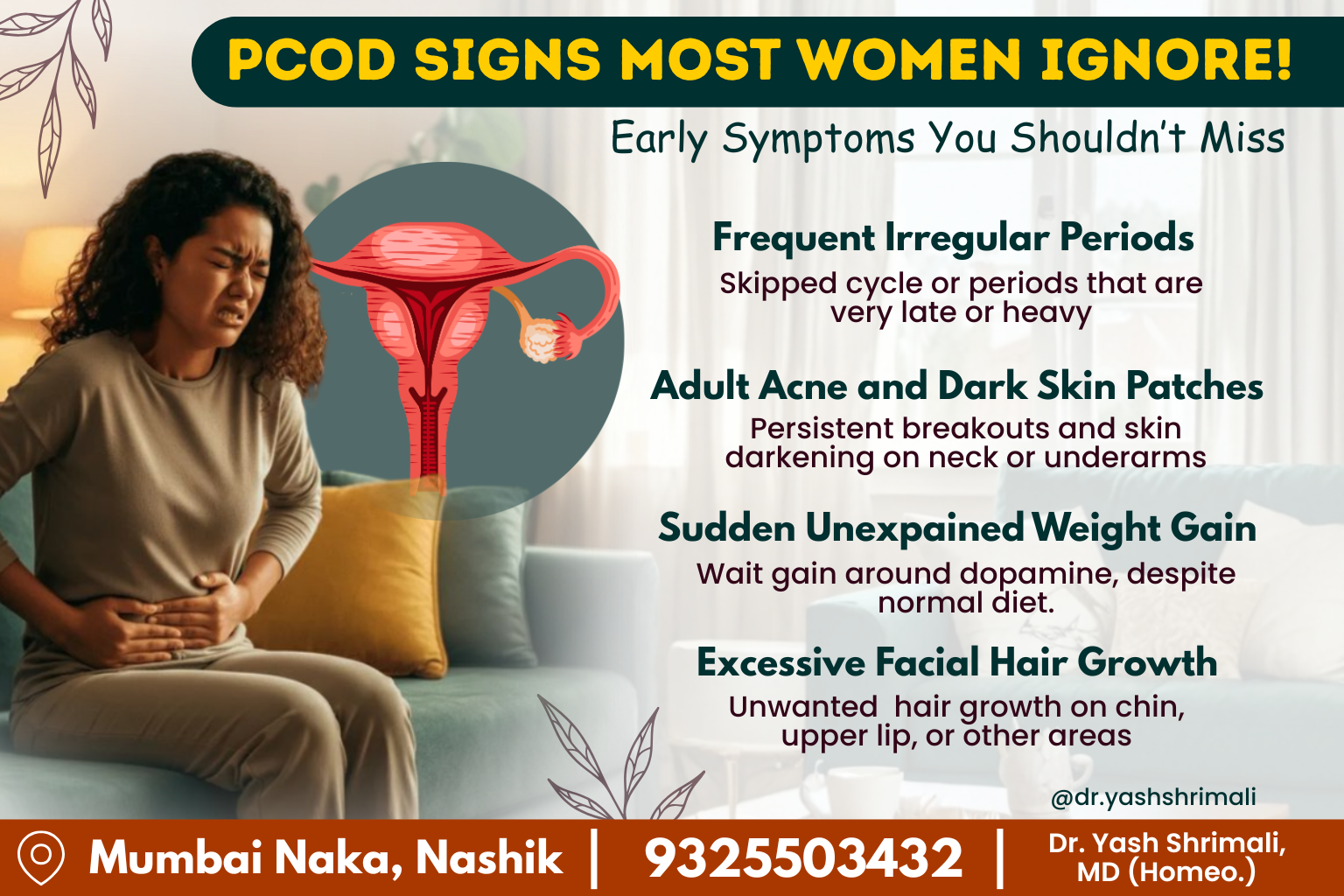
1. Irregular Periods 📅
One of the PCOD signs most women ignore is irregular menstruation.
Some women experience:
• Periods that come very late
• Skipped cycles
• Very light bleeding
• Very heavy bleeding
Many women think stress or travel caused it. But frequent irregular periods may indicate hormonal imbalance related to PCOD.
If periods remain irregular for several months, it should not be ignored.
2. Sudden Weight Gain ⚖️
Another important PCOD sign most women ignore is unexplained weight gain.
Women with PCOD may notice:
• Weight gain around the abdomen
• Difficulty losing weight
• Slow metabolism
Hormonal imbalance can affect how the body processes sugar and fat. Even with normal eating habits, weight gain may occur.
This symptom is often ignored or blamed only on diet.
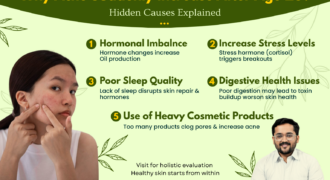
3. Acne That Appears in Adulthood 😣
Many women experience acne during teenage years. But acne appearing again after the age of 25 may be a hormonal signal.
Adult acne commonly appears on:
• Chin
• Jawline
• Lower cheeks
This type of acne can be stubborn and may not respond well to regular skincare products.
Hormonal imbalance in PCOD can increase oil production in the skin.
4. Excess Facial Hair Growth 🪒
Another PCOD sign most women ignore is unwanted hair growth.
Women may notice hair growth on:
• Chin
• Upper lip
• Chest
• Lower abdomen
This condition is called hirsutism and happens due to increased male hormone levels.
Many women simply remove the hair without understanding the hormonal cause behind it.
5. Hair Thinning or Hair Fall 💇♀️
Hair fall can happen due to stress or nutrition issues. But hormonal hair thinning is another sign linked with PCOD.
Women may notice:
• Thinning hair on the scalp
• Hair loss near the crown area
• Weak hair roots
This symptom may develop slowly, so it is often ignored.
6. Dark Skin Patches 🟤
One of the lesser-known PCOD signs most women ignore is darkening of certain skin areas.
These patches may appear on:
• Neck
• Underarms
• Groin area
This condition is called Acanthosis Nigricans and may indicate insulin resistance, which is commonly associated with PCOD.
7. Mood Swings and Emotional Changes 😔
Hormones affect emotional health as well.
Women with PCOD may experience:
• Mood swings
• Anxiety
• Low energy
• Irritability
Many people do not connect emotional symptoms with hormonal imbalance, but they can be related.
Why PCOD Is Increasing Today
Lifestyle changes are playing a big role in the rise of PCOD.
Some common contributing factors include:
1. Stressful Lifestyle 😰
Chronic stress can disturb hormonal balance.
2. Poor Sleep Habits 🌙
Lack of quality sleep can affect hormone production.
3. Sedentary Lifestyle 🪑
Less physical activity can worsen metabolic health.
4. Unhealthy Diet 🍟
High sugar and processed food intake can influence insulin resistance.
5. Environmental Factors 🌍
Modern lifestyle and environmental toxins may also impact hormonal health.
Why Early Detection Is Important
Ignoring PCOD signs most women ignore can lead to long-term health problems.
If not addressed early, PCOD may lead to:
• Difficulty in weight management
• Fertility issues
• Diabetes risk
• Hormonal imbalance
• Skin problems
Early awareness helps women take better care of their health.
How Women Can Support Hormonal Balance
Even small lifestyle changes can support overall hormonal health.
Helpful habits include:
✔ Regular physical activity
✔ Balanced diet
✔ Good sleep routine
✔ Stress management
✔ Maintaining healthy weight
A holistic health approach focuses on understanding the body’s internal balance rather than just suppressing symptoms.
Many women today are also exploring Holistic Medicine, Natural Healing, and Homoeopathy for long-term hormonal balance and overall wellbeing.
When Should You Consult a Doctor?
Women should consider medical guidance if they notice:
• Irregular periods for several months
• Sudden acne or hair growth
• Rapid weight gain
• Persistent hair fall
• Dark skin patches
Early diagnosis helps manage hormonal conditions more effectively.
Final Thoughts 🌿
PCOD signs most women ignore often begin as small changes in the body. Because these symptoms appear slowly, many women dismiss them as normal lifestyle problems.
But the body always gives signals when something is not balanced.
Listening to these early signals can help prevent bigger health problems in the future.
A holistic approach to women’s health, which focuses on understanding the root cause of hormonal imbalance, can support long-term wellbeing.
Awareness is the first step toward better health. 💚
📍 Dr. Yash Shrimali, MD (Homoeo.)
Dr. Shrimali’s Homoeopathic Multispecialty Clinic
3rd Floor, Sai Square Complex, Near Suyash Hospital,
Mumbai Naka, Nashik (MH)
📞 Phone: 9325503432
📷 Instagram: Dr.yashshrimali